Our Vision
The long-term vision is to create a cohesive, student-centered engineering education model that connects learning across semesters, disciplines, and professional contexts. Rather than treating courses as isolated experiences, the project will explore a matrix-style framework that encourages shared faculty responsibility for student learning and strengthens systems-level thinking, interdisciplinary collaboration, and professional formation.
Three integrative threads will guide the planning process:
- Creativity: Connecting technical learning with design thinking, innovation, and optimization.
- Foundations: Applying mathematics and science to meaningful, real-world engineering challenges.
- Professionalism: Strengthening communication, ethics, teamwork, professional identity, and other capabilities needed for engineering practice.
These threads are intended to support project-based and collaborative learning experiences that help students integrate knowledge, apply theory in context, and develop confidence and identity as engineers.
Project Goals
Understand departmental needs and opportunities
Build faculty capacity for collaboration and reform
Engage students, alumni, industry, and other stakeholders
Develop a roadmap for future transformation
Key Planning Activities
Participatory visioning and collaborative design
Faculty development and distributed leadership
Institutional analysis and stakeholder engagement
Strategic roadmapping
Expected Outcomes
A shared departmental vision and guiding principles for engineering education reform.
Curriculum maps and a clearer understanding of barriers, bottlenecks, assets, and opportunities.
Faculty collaboration structures that support distributed leadership and curricular integration.
Documented input from students, alumni, industry partners, and advisors.
A planning logic model, governance approach, implementation roadmap, and evaluation framework.
Why This Work Matters

Engineering education must prepare graduates not only with strong technical foundations, but also with the ability to work across disciplines, communicate effectively, solve complex problems, act ethically, and adapt to rapidly changing technologies and workforce needs. The ENGINEER planning project is designed to help Wilkes identify how its curriculum, faculty structures, and external partnerships can better support these outcomes in a coordinated and sustainable way.
The project also places particular attention on the sophomore and junior years, important transition points in the engineering curriculum. By examining student experiences, course progression, institutional data, and stakeholder input, the planning team will identify opportunities to strengthen persistence, belonging, professional identity, and preparation for engineering practice.
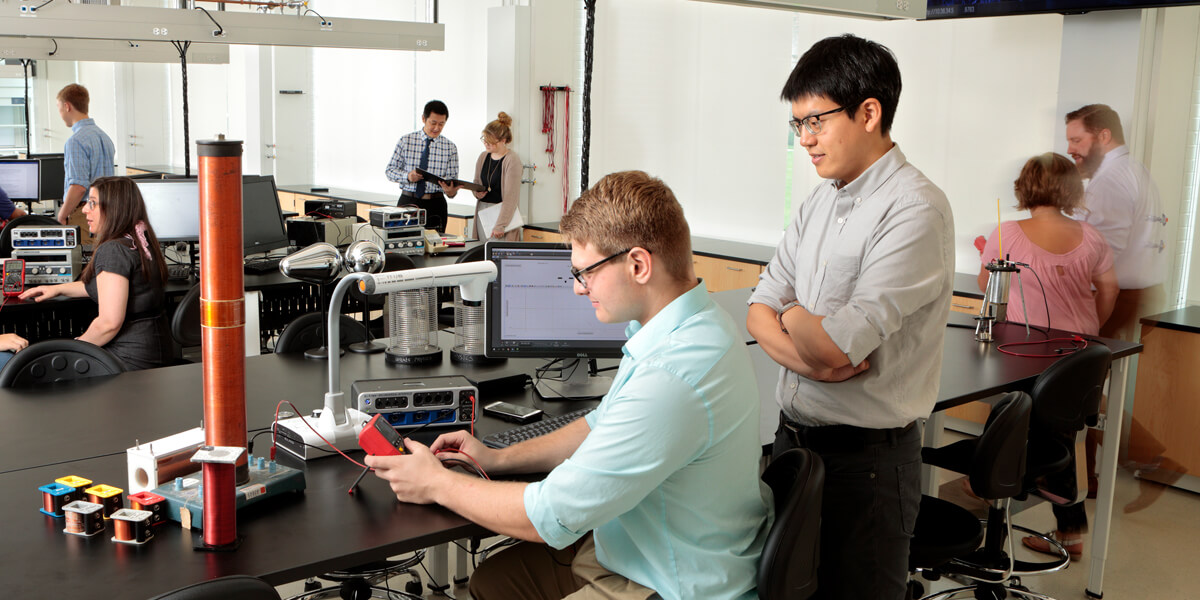
Integrated Learning
Connecting courses and disciplines through shared curricular threads and authentic engineering problems.
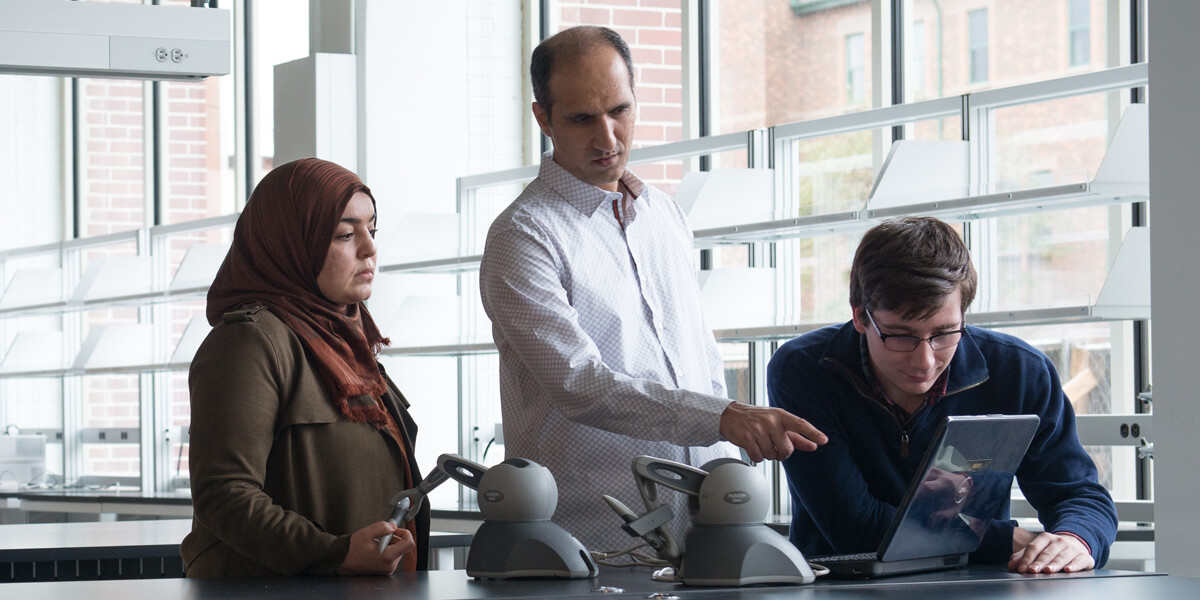
Faculty Collaboration
Building cross-disciplinary structures that support shared ownership of educational innovation.
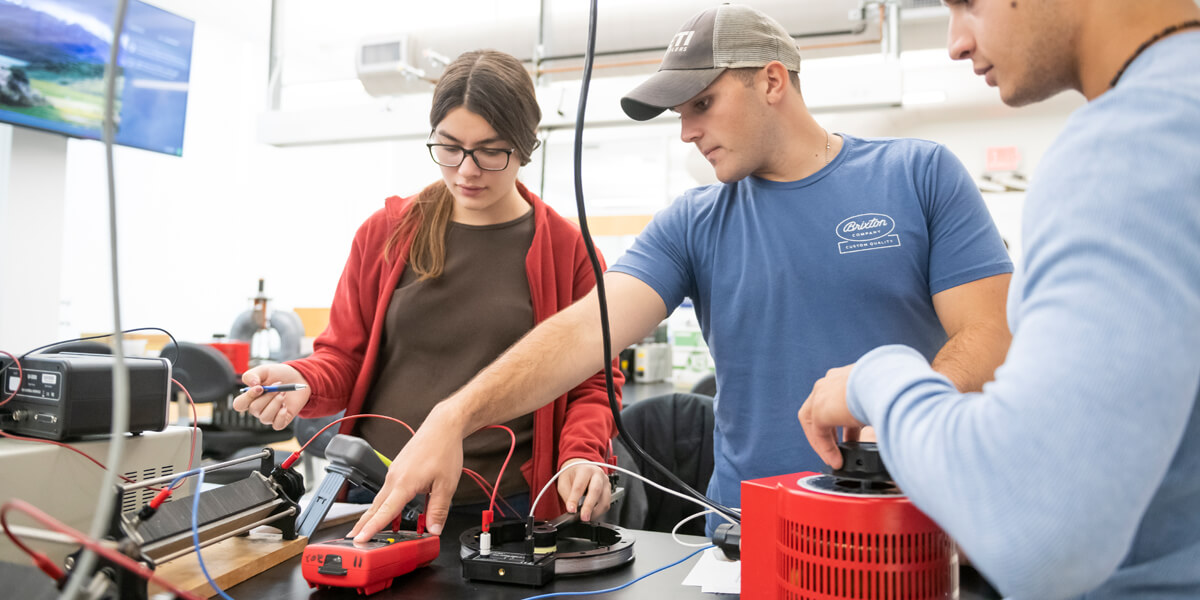
Student Success
Using evidence and student input to strengthen learning, persistence, belonging, and professional identity.
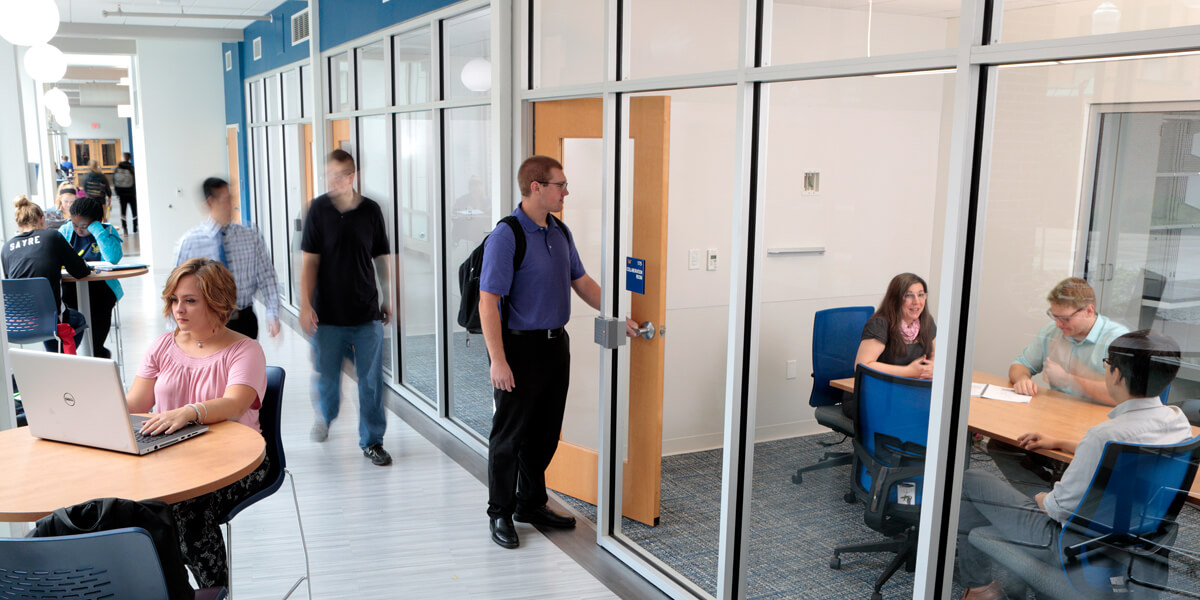
Industry Engagement
Aligning educational priorities with evolving workforce needs and expanding opportunities for applied learning.
Sustainable Change
Developing the roadmap, governance, and evaluation structures needed for long-term transformation.
Broader Impacts
The project is intended to strengthen Wilkes University’s capacity to create a more integrated, inclusive, evidence-based, and professionally relevant model of engineering education. By building durable faculty collaboration structures, incorporating student and stakeholder voices, and aligning curricular innovation with regional workforce needs, the planning effort can contribute to improved student persistence and professional formation while creating a model that may be informative to other primarily undergraduate engineering institutions.
Project Leadership
Principal Investigator (PI)

Dr. Abas Sabouni
- Project leadership
- Coordination
- Stakeholder engagement
- Integration of planning activities
- Development of the transformation roadmap and future proposal
Co-Principal Investigators (Co-PIs)

Dr. Yong Zhu
- Faculty collaboration
- Student pathways
- X-team development
- Facilitation of faculty learning activities

Dr. Ed Bednarz III
- Curriculum analysis
- Course mapping
- Alignment with accreditation and educational outcomes

Dr. Jamal Ghorieshi
- Industry and alumni engagement
- Workforce alignment
- Stakeholder coordination

Dr. Mohsen Ghamari
- Organizational and cultural analysis
- Inclusive pedagogy
- Faculty learning activities
About Our Project
This project is supported by the U.S. National Science Foundation through the Revolutionizing Engineering Departments (RED) program, Award Number 2550301. Any opinions, findings, conclusions, or recommendations expressed in project materials are those of the project team and do not necessarily reflect the views of the U.S. National Science Foundation.